

How to
Travel Money: FX, Transfers and Cards
Banks quietly take 3-5% on currency. How to get fair exchange rates, send money abroad cheaply, and finance a bigger trip sensibly.
Published April 11, 2026 · AI-assisted editorial
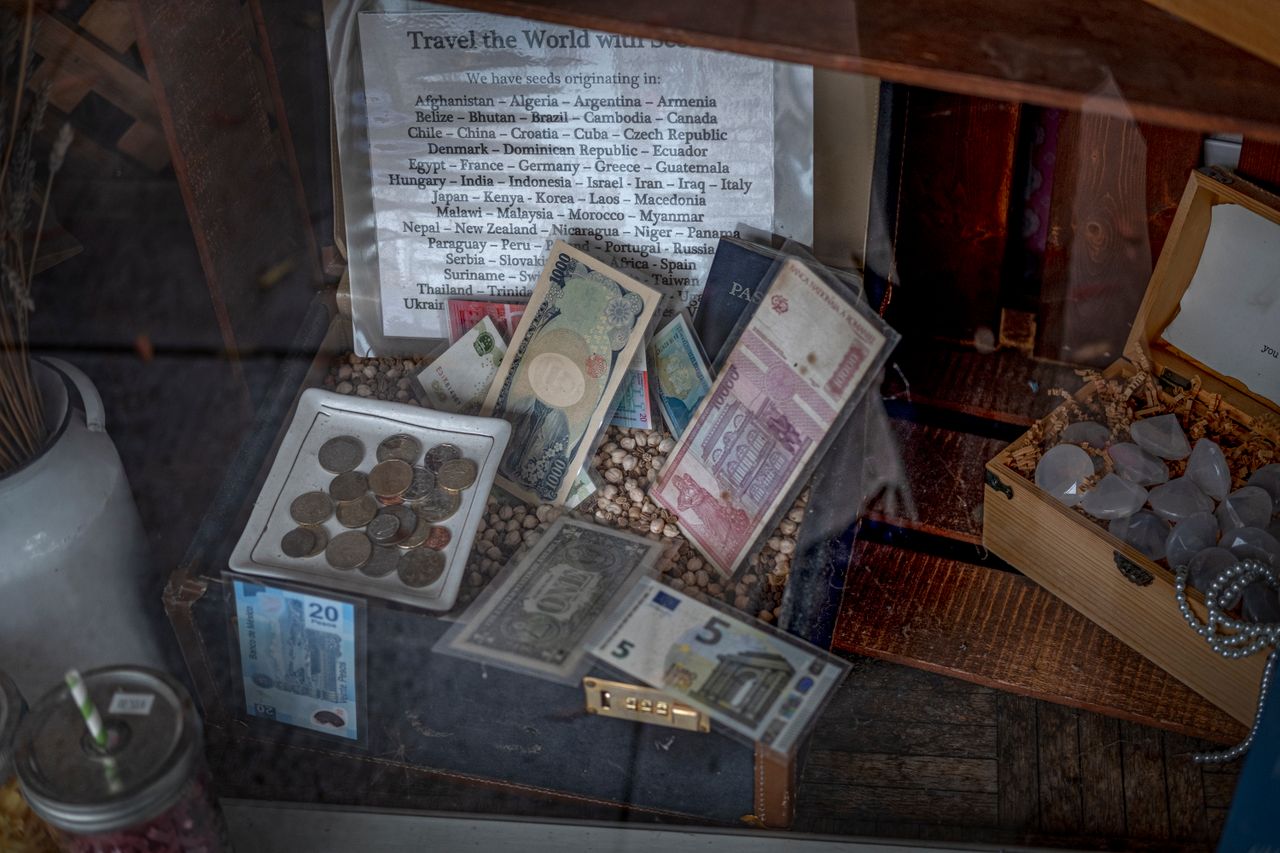
Every time you exchange currency or send money abroad, a bank usually takes a hidden 3–5% on top of any fee. Over a trip that adds up to real money lost before you have bought a thing. Specialists do it for far less.
Get a fair exchange rate
Skip the airport kiosk and your bank's default rate. Specialist providers quote close to the mid-market rate with low, transparent fees. WorldFirst handles international payments and FX at competitive rates — useful for larger transfers and for anyone paying suppliers abroad. Compare options on our travel finance hub.
Sending money abroad
For moving money internationally, a transfer specialist almost always beats a bank on both rate and fee. Compare the total received in the destination currency — that is what actually matters, not the headline rate.
Financing a bigger trip
If you are spreading the cost of a big-ticket trip, do it with eyes open. Travel loan options can make a large booking manageable, but borrow only what you can comfortably repay and compare the total cost including interest.
Small habits that save
- Pay in the local currency, not your home currency, when a card terminal asks (avoids a markup).
- Carry a little local cash for places that do not take cards.
- Tell your bank you are traveling so cards do not get frozen.
What we are watching
Fintech keeps squeezing the margins banks used to take on travel money, making fair FX and cheap transfers the default for travelers who look beyond their bank. A few minutes setting this up before a trip quietly saves more than most in-trip frugality.