

How to
Passport 6-Month Rule: Which Countries Require It
Which countries need 6 months passport validity, which need 3, blank-page rules, why airlines deny boarding, and how to check and renew early.
Published June 13, 2026 · AI-assisted editorial
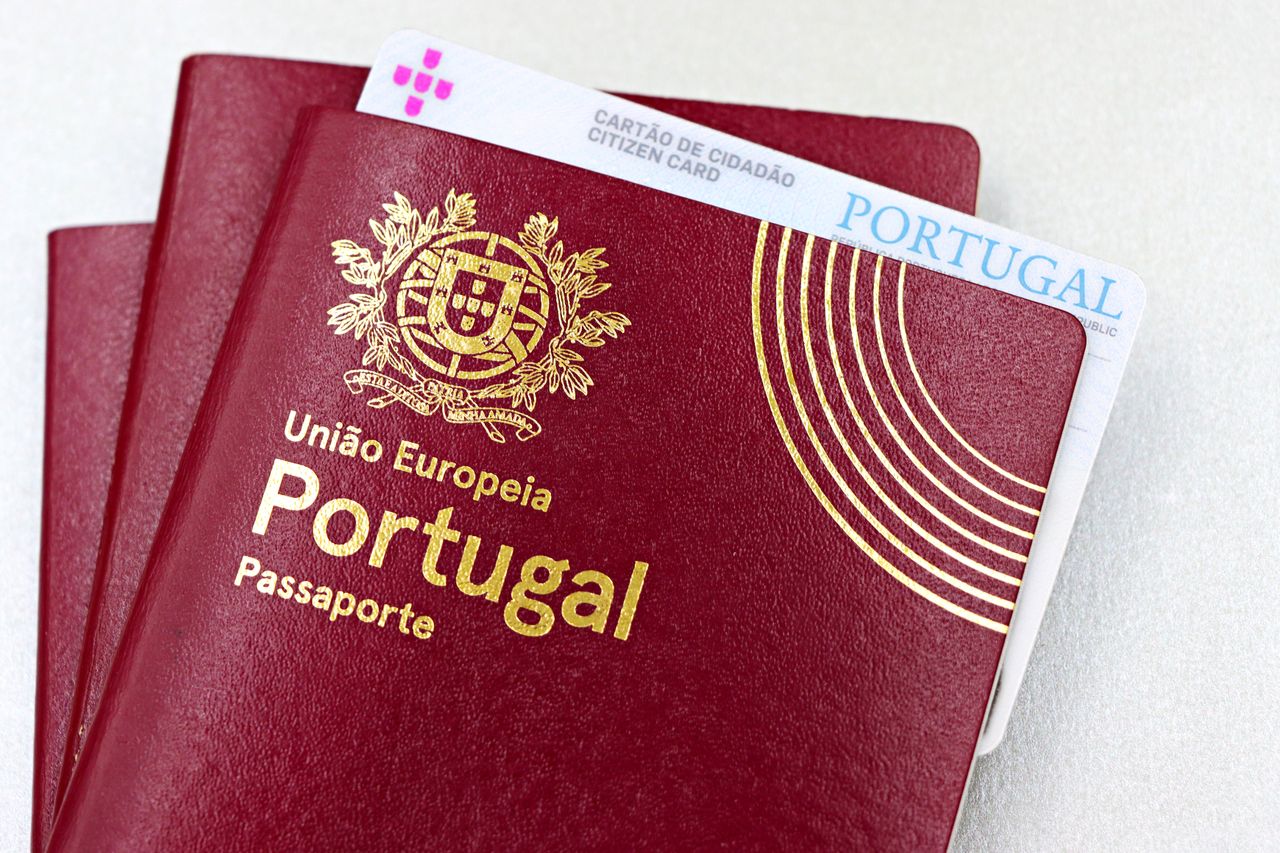
Most countries that require a "valid" passport actually want extra runway on it: many demand six months of validity beyond your arrival or departure date, a large group asks for three months, and others only need the passport to be valid for the duration of your stay. Get it wrong and an airline can deny you boarding before you ever reach the gate.
The "six-month rule" is the single most common reason travellers with technically-valid passports get turned away. This guide breaks down which destinations want six months, which want three, which accept validity-on-arrival, why airlines (not just border officers) enforce it, what blank pages have to do with it, and how to check and renew early so it never derails a trip.
What the six-month passport rule actually means
The rule is about remaining validity, not whether your passport has expired. A destination with a six-month rule wants your passport to stay valid for at least six months after a reference date — and that reference date is the catch, because it differs by country:
- Six months beyond date of entry (arrival): the most common version. Your passport must be valid for six months from the day you land.
- Six months beyond date of departure (exit): stricter, because it effectively adds the length of your trip on top of the six months.
A passport that expires four months from today is still "valid" today — but it fails a six-month rule on arrival, and a check-in agent will see that instantly. The fix is simply to count forward: take your travel dates, add the required buffer, and confirm your expiry date falls after that.
The three buffer tiers, at a glance
| Requirement type | Example destinations | What it means in practice |
|---|---|---|
| 6 months beyond entry/stay | Thailand, Indonesia, Malaysia, Singapore, Vietnam, Cambodia, Laos, China, India, Nepal, Egypt, Turkey, UAE, Saudi Arabia, Qatar, Israel, Russia | Passport must stay valid 6 months from arrival; renew now if you are inside that window |
| 3 months beyond departure | The 29 Schengen Area countries (France, Spain, Italy, Germany, Greece, etc.) | Passport must be valid 3 months after you plan to leave — counted from your exit date, not entry |
| Valid for duration of stay | United Kingdom, Ireland, Mexico (for many nationalities), Canada, much of the Caribbean | Passport need only be valid through your trip; no extra buffer required |
| Blank-page minimum (separate rule) | South Africa (2 pages), Namibia (3 pages), China (2 pages) | A validity-compliant passport can still be refused if it lacks the required empty pages |
Treat the destinations above as examples, not a complete list. Rules change, and a few countries apply different buffers to different nationalities. Always confirm against an official source for your specific passport and destination before you book — the verification section below shows how.
The six-month group: where the buffer bites hardest
A large share of popular long-haul destinations sit in the six-month camp, and much of Asia and the Middle East is concentrated here. Frequently-cited examples include mainland China, Mongolia, Vietnam, Cambodia, Laos, Thailand, Malaysia, Singapore, Indonesia, Myanmar, India, Nepal, Pakistan, Russia, Kuwait, Saudi Arabia, Bahrain, Qatar, the United Arab Emirates, Oman, Jordan, Israel, Egypt and Turkey.
If you are planning a multi-stop itinerary across several of these — common on a Southeast Asia or Gulf trip — the strictest country on your route sets the bar for the whole journey. One destination requiring six months beyond departure can quietly mean you need eight or nine months of validity on the day you fly out.
One important nuance: the well-known U.S. six-month rule for arriving visitors has a long list of exempt nationalities. Travellers from a country on the U.S. Customs and Border Protection "six-month club" list — which includes Australia, Brazil, Canada, France, Japan, the United Kingdom and more than 100 others — generally only need their passport to be valid for the intended period of stay when entering the United States. This is exactly why "check for your specific passport" matters: the same destination can apply different buffers to different travellers.
The Schengen three-month rule (and the hidden 10-year rule)
Europe's Schengen Area uses a three-month buffer, and the reference point trips people up. Per the EU's official Your Europe guidance, your passport must be "valid for at least 3 months after the date you intend to leave the EU." It does not matter when you arrive — what matters is your planned exit date. So a three-week trip needs validity covering the trip plus three months past the day you depart.
There is a second, less-publicised Schengen condition in the same guidance: your passport "must have been issued within the last 10 years." Most passports are issued for ten years, but if yours was issued with bonus months carried over from a previous book — or you simply renewed early years ago — the issue date can fall outside the 10-year window even while the expiry date still looks fine. Both conditions must be met. Check the issue date as well as the expiry date before any European trip.
Schengen entry also expects at least two blank pages for stamps, which brings us to the page rule.
Blank pages: the requirement that has nothing to do with dates
Passport validity and passport space are two separate gates, and a perfectly in-date passport can still be refused for lacking blank pages. Entry and exit stamps and visa stickers need somewhere to go.
Common examples: South Africa requires two completely blank pages (consecutive, labelled for visas — endorsement pages at the back do not count); Namibia requires three blank pages; China expects two blank pages alongside its six-month validity. Many other countries ask for one to two.
The practical problem: since 2016, the U.S. (and several other issuers) no longer add extra pages to an existing passport. If you are running low on space, the only remedy is a full renewal. Frequent travellers should treat "two or fewer blank pages left" as a renewal trigger, the same way they treat a near-expiry date.
What happens if you fly with a near-expiry passport
The decisive moment is usually check-in, not immigration — and it is the airline, not a government, that stops you first.
Airlines are held financially responsible under most countries' rules for carrying a passenger who is then refused entry; the carrier has to fly that person back and can face fines. To protect themselves, check-in and gate agents screen passports against the destination's validity and page requirements before letting you board. If your passport fails the rule, the airline can — and routinely does — deny boarding at the airport of origin or at a connecting airport, even if the destination's border officer might theoretically have waved you through.
That means:
- A refusal can happen thousands of miles before the border, at your home airport.
- It can happen mid-journey, at a transfer point, stranding you between flights.
- Waivers exist in genuine emergencies, but they are decided case-by-case by border guards and must never be assumed when planning. Plan to comply, not to be excused.
The downstream cost is rarely just the flight: missed connections, non-refundable hotels, and pre-booked ground arrangements can all unravel from one expiry date. It is one of the cheapest travel risks to eliminate in advance and one of the most expensive to discover at the airport.
How to check your passport — and renew early
A two-minute check before you book prevents almost every passport-validity problem:
- Find both dates. Note your passport's expiry date and its issue date (the issue date matters for Europe's 10-year rule).
- Count the buffer for every country on your trip. Add six months — or three for Schengen — to the correct reference date (arrival or departure, per the rule). Use the strictest requirement on a multi-country itinerary.
- Count your blank pages. Confirm you meet the destination's page minimum; back-of-book endorsement pages usually do not count.
- Check against an official source for your nationality. Your own government's foreign-travel pages and the destination country's official immigration site are the authorities — not a forum post or an old blog.
- Renew early if you are close. Processing can take weeks, and longer in peak season. As a rule of thumb, if your passport expires within nine to twelve months of a planned long-haul trip, renew before you book non-refundable travel.
If you are mapping out the wider trip, our first international trip booking checklist walks through documents, timing and what to lock in before you pay. Our pre-trip preparation guide covers arrival-day logistics, and you can browse entry context for individual countries across our global destinations directory. Once your documents are sorted and you know where you are landing, you can arrange your airport transfer in advance so the ground leg is handled before you fly.
A note on accuracy
Passport and entry rules are set by individual governments and change without much notice. The country examples in this guide reflect widely-published requirements at the time of writing and are grouped to show how the tiers work — they are not a substitute for an official check. Before you travel, always confirm the current requirement with your own government's passport authority and the official immigration website of every country on your route, including any you only transit through. When sources disagree, the destination government's own site wins.
Frequently asked questions
Does the six-month rule count from my arrival date or my departure date?
It depends on the country. Many six-month-rule destinations count from your date of entry (arrival), but some count from your date of departure (exit), which is stricter because it adds the length of your trip on top of the six months. Always check which reference date your destination uses, and on a multi-country trip apply the strictest one.
My passport is still valid — why would an airline refuse to board me?
Because "valid" is not the same as "valid for long enough." If your destination requires six months (or three for Schengen) of remaining validity and your passport falls short of that buffer, it fails the rule even though it has not expired. Airlines screen for this at check-in because they are financially liable for carrying a passenger who is refused entry, so they deny boarding to protect themselves.
How many blank pages do I need in my passport?
It varies by country and is separate from the validity rule. Examples include two blank pages for China and South Africa and three for Namibia; many countries ask for one or two. Endorsement pages at the back of the book usually do not count. Since most issuers no longer add pages to an existing passport, you must renew if you are short on space.
Does the six-month rule apply to the United States and Europe?
The U.S. applies a six-month rule to many arriving visitors, but a long list of nationalities — including Australia, Canada, Japan, the UK and over 100 others — are exempt and need validity only for their intended stay. Europe's Schengen Area uses a different rule entirely: three months of validity beyond your planned departure, plus the passport must have been issued within the last 10 years.
How early should I renew my passport before an international trip?
A common guideline is to renew if your passport expires within nine to twelve months of a planned long-haul trip, and to do it before booking non-refundable travel. Renewal can take several weeks — longer in peak periods — so build in a buffer. Also renew early if you have two or fewer blank pages left.
Where can I confirm the exact rule for my passport and destination?
Use official sources only: your own government's passport or foreign-travel authority, plus the official immigration website of every country you will enter or transit. These are the bodies that actually set and enforce the rules. Forum posts and older blog articles can be out of date, and requirements change without much notice.