

How to
Long-Haul Flight in Economy: How to Survive It
A practical guide to surviving a long-haul flight in economy: seat strategy, a comfort kit, hydration, leg movement, food, battery, and arrival recovery.
Published June 16, 2026 · AI-assisted editorial
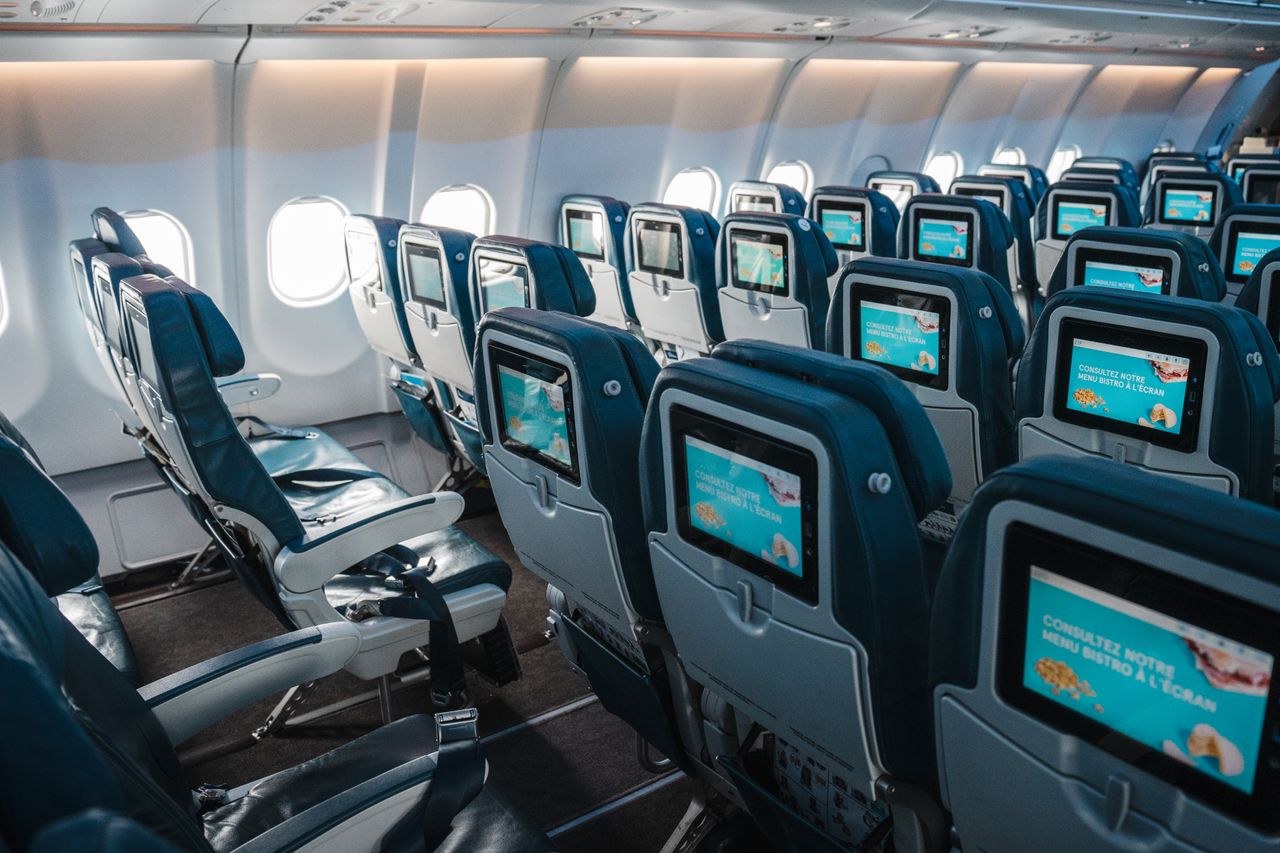
Surviving a long-haul flight in economy comes down to preparation, not luck. Choose your seat deliberately, pack a small comfort kit, drink water steadily, move your legs every couple of hours, eat light, keep your devices charged, and plan your first day on the ground. Do those seven things and a 10-hour flight in the back of the plane becomes genuinely bearable.
The cabin is working against you in ways most travelers underestimate. Cruising altitude air holds almost no moisture, so cabin humidity sits near 10 to 20 percent — drier than most deserts. You sit still for hours in a pressurized tube, the lights and meal service fight your body clock, and the seat in front reclines into your knees. None of that is solvable, but every part of it is manageable. Here is the field-tested playbook, organized the way you actually experience the flight: before you fly, in the air, and after you land.
Pick the right seat before anything else
Seat choice shapes the entire flight, and it is the one decision you make while still comfortable on the ground. Decide what matters most to you and pick accordingly.
- Want to sleep undisturbed? Choose a window seat. You control the shade, you have a wall to lean against, and no one climbs over you to reach the aisle.
- Plan to move, stretch, and use the bathroom often? Choose the aisle. You can stand up any time without disturbing two strangers — which makes the every-two-hours movement habit far easier to keep.
- Travelling as a couple on a three-seat row? Book the window and the aisle. Middle seats sell last, so there is a decent chance you keep the whole row; if someone does take the middle, they will usually swap for your aisle or window.
Avoid the last row (seats often do not recline and you are next to the toilets), the row in front of an exit (sometimes fixed-back), and the galley-adjacent rows where lights and noise run all night. Seat-map tools like SeatGuru flag these traps for most aircraft. If your airline charges for advance seat selection, this is one of the few fees genuinely worth paying on a long flight.
Build a cabin comfort kit
You do not need an expensive travel-gadget haul. A handful of cheap items, packed in a small pouch that lives under the seat in front of you, covers the essentials. Use this checklist.
| Item | Why it earns its place |
|---|---|
| Neck pillow (inflatable or memory foam) | Stops the head-bob that wrecks upright sleep |
| Eye mask | Cabin lights and open window shades ruin sleep; total darkness signals your brain it is night |
| Earplugs or noise-cancelling headphones | Engine drone and cabin chatter are constant; blocking them lowers fatigue |
| Refillable water bottle (empty through security) | Fill it past the checkpoint so you are never waiting on the cart |
| Warm layer (hoodie or large scarf) | Cabins run cold at night; a single thin blanket is rarely enough |
| Compression socks | May help leg comfort and circulation on long sits — see your doctor if you have a clotting history |
| Lip balm and a small moisturiser | The dry cabin air chaps lips and skin within hours |
| Phone, power bank, and the right cable | Not every seat has working power; a charged power bank is your insurance |
| Toothbrush, deodorant, basic medications | A two-minute freshen-up before landing resets you completely |
Pack the kit so it fits under the seat in front of you, not only in the overhead bin. Anything you want during the flight should be reachable without standing up.
Stay hydrated — it solves half the problems
Dry cabin air pulls moisture out of you with every breath, and the classic in-flight choices — coffee, wine, a gin and tonic — are diuretics that make it worse. Dehydration is the hidden driver behind headaches, grogginess, dry eyes, and a chunk of what people blame on jet lag.
The fix is steady sipping, not heroic gulping. Aim for roughly a cup of water (about 240 ml) per hour in the air, which is why a refillable bottle filled after security beats waiting for the drinks cart. Go easy on alcohol and caffeine; if you have one, match it with extra water. Skip the salty processed snacks that leave you parched. Your eyes will thank you too — bring rewetting drops if you wear contacts, or switch to glasses for the flight.
Move your legs to lower the risks
Sitting still for many hours is the real health concern on long flights, because immobility slows blood flow in the legs. The general advice from health authorities is straightforward: keep the blood moving. Get up and walk the aisle every couple of hours when the seatbelt sign allows, and do simple seated exercises in between — ankle circles, raising your toes and heels, and gently marching your legs. Stay hydrated, and avoid crossing your legs for long stretches or wedging a bag where it presses on the back of your knees.
This is general comfort and wellness guidance, not medical advice. The risk of a travel-related blood clot is low for most healthy travelers, but it is higher for some people — including those with a personal or family history of clots, recent surgery, pregnancy, or certain medical conditions. If any of that applies to you, or you are unsure, talk to your doctor before a long flight. They can advise on whether properly fitted compression stockings, extra precautions, or medication are appropriate for you. Never self-prescribe based on a travel article — including this one.
Eat light and time it to your destination
Heavy airline meals sit badly when you are inactive at altitude. You will feel better eating lighter than you would on the ground. Favour protein, fibre, and water-rich foods — nuts, fruit, yogurt, a sandwich with real filling — over fried mains, sugary desserts, and white bread that leave you sluggish. Packing a few of your own healthy snacks means you are never at the mercy of the trolley's timing.
There is a body-clock trick here too. Set your watch to the destination time as you board, and eat on that schedule rather than your home one. If it is the middle of the night where you are going, skip the big meal and try to sleep; if it is daytime there, eat normally and stay awake. Easing into the destination's rhythm in the air is the single biggest head start on jet lag.
Plan your entertainment and battery
Time passes faster when it is filled, and a dead phone over an ocean is miserable. Download films, shows, podcasts, music, and a book or two before you leave home — seatback systems are hit-or-miss and onboard wifi is slow and often paid. Bring a power bank, because in-seat power outlets are not guaranteed to exist or to work. Pack the correct cable, and if you are crossing regions, a plug adapter for the other end. Your own headphones beat the thin freebies the airline hands out, and noise-cancelling ones double as a sleep aid.
Land well: the first 24 hours
How you handle arrival decides how fast you recover. The fastest reset for your body clock is daylight: get outside into natural light during daytime at your destination, which is the strongest signal to pull your internal clock onto the new schedule. Try to stay awake until a normal local bedtime even if you are exhausted — a long nap on arrival usually backfires and stretches jet lag out. Keep drinking water, move your body with a short walk, and go easy on alcohol on the first night.
One arrival decision quietly makes everything else easier: do not get behind the wheel jet-lagged and sleep-deprived after a long flight. Reaction times suffer, and an unfamiliar road in a tired state is a bad combination. Arrange your onward ride in advance so you can step off the plane and let someone else drive while you rest. You can book a trusted airport transfer ahead of time and skip the taxi-rank scramble entirely.
If you have a long connection rather than a final destination, the same recovery logic applies on the ground between flights — see our companion guide on how to make the most of a long layover. And if you have lounge access or are weighing whether to buy a pass, a few quiet hours with real food, showers, and proper seating can transform a brutal journey: browse airport lounges worldwide or read our explainer on airport lounge day passes.
The bottom line
A long-haul flight in economy is never luxurious, but it is very survivable. Choose your seat with intent, pack a small comfort kit, sip water all the way, move your legs, eat light on destination time, keep your devices alive, and chase daylight when you land. Sort your onward transfer before you fly, and you will arrive ready to enjoy the trip instead of recovering from getting there.
Frequently asked questions
What is the best seat in economy for a long-haul flight? It depends on your priority. Pick a window seat if you want to sleep leaning against the wall without being disturbed, or an aisle seat if you plan to get up, stretch, and use the bathroom often. Avoid the last row, galley-adjacent rows, and any seat that does not recline.
How much water should I drink on a long flight? Cabin air is very dry, so sip steadily rather than gulping occasionally — roughly a cup of water (about 240 ml) per hour is a reasonable target. Limit alcohol and caffeine, which are dehydrating, and bring an empty bottle to fill after security.
How do I avoid blood clots on a long flight? Keep your blood moving: walk the aisle every couple of hours, do seated ankle and leg exercises, stay hydrated, and avoid crossing your legs for long periods. Most healthy travelers are low-risk, but if you have a history of clots, recent surgery, pregnancy, or other risk factors, talk to your doctor before flying about compression stockings or other precautions.
How can I sleep better in economy? Bring a neck pillow, eye mask, and earplugs or noise-cancelling headphones, dress in warm layers, and recline as soon as it is polite to. On overnight flights, set your watch to destination time and try to sleep when it is night there. A window seat gives you a wall to lean on and control over the shade.
What should I eat before and during a long-haul flight? Eat a balanced meal a few hours before departure and choose lighter options in the air — protein, fibre, and water-rich foods like nuts, fruit, and yogurt over fried mains and sugary snacks. Eat on your destination's schedule to ease into the new time zone.
How do I recover from jet lag quickly? Get outside into natural daylight during the day at your destination, stay awake until a normal local bedtime, keep hydrating, and avoid a long arrival nap. Pre-arranging your airport transfer so you can rest instead of driving also helps you recover faster.