

How to
How to Beat Jet Lag: What Actually Works
An evidence-informed guide to beating jet lag: east vs west, pre-trip schedule shifting, light timing, caffeine and meals, sleep, and an arrival-day plan.
Published June 17, 2026 · AI-assisted editorial
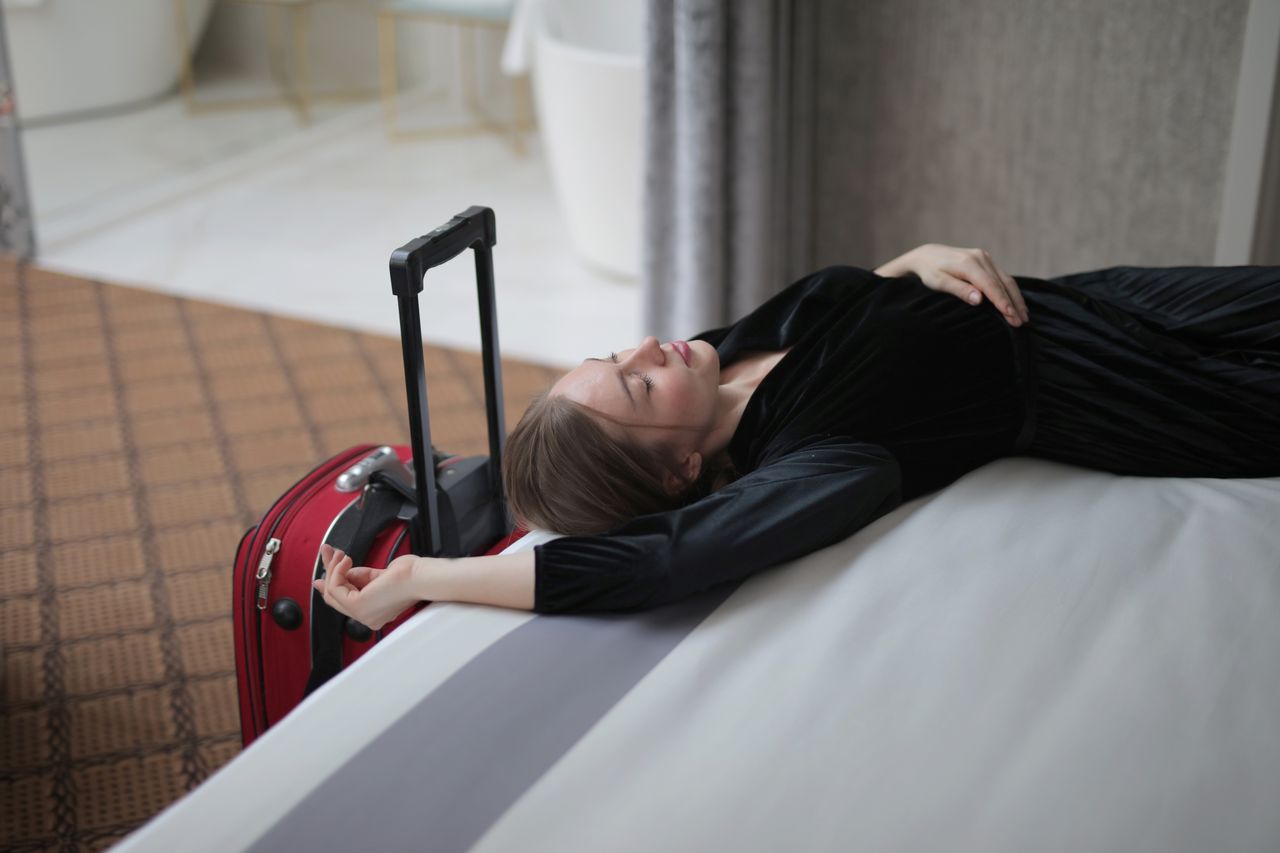
Jet lag happens when your body's internal clock is still set to the time zone you left while the sun outside follows your destination. The fix is to reset that clock deliberately: shift your schedule before you fly, time your light exposure to the direction you travel, and give yourself roughly one day of adjustment per time zone crossed.
What jet lag actually is
Your body runs on a roughly 24-hour internal clock called the circadian rhythm. It governs when you feel sleepy, when you feel alert, when you get hungry, and when your core body temperature rises and falls. That clock is anchored mostly by light hitting your eyes, with meal times and activity as secondary cues.
When you cross several time zones in a few hours, the clock cannot keep up. It is still telling your body it is 3 a.m. while your destination insists it is mid-morning. The mismatch produces the familiar symptoms: daytime grogginess, trouble falling asleep at night, poor concentration, irritability, headaches, and stomach upset. The more time zones you cross, the bigger the gap and the longer the recovery.
A useful rule of thumb: your body re-syncs at a rate of about one time zone per day. Cross six time zones and you are looking at roughly six days to feel fully normal if you do nothing to help it along. The good news is that you can shorten that significantly with a bit of planning.
Why flying east is harder than flying west
This is the single most important thing to understand, because it flips your entire strategy.
Flying west lengthens your day. You are effectively staying up later, which is something human bodies do naturally and easily. Most people's internal clocks drift slightly longer than 24 hours on their own, so delaying your rhythm to match a westward destination feels like a long day rather than a fight. Adaptation averages around 1.5 hours per day in this direction.
Flying east shortens your day. You have to fall asleep and wake up earlier than your body wants to, which means advancing your clock. That runs against your natural drift and is genuinely harder. Adaptation here averages closer to 1 hour per day.
The practical upshot: an eastward trip of the same distance will hit you harder and take longer to shake. Plan more recovery buffer for eastbound journeys, and start your preparation earlier.
Shift your schedule before you leave
The most effective thing you can do happens before you set foot on the plane. In the two to three days before departure, nudge your sleep schedule toward your destination.
- Flying east? Go to bed and wake up about one hour earlier each day. Eat your meals a little earlier too.
- Flying west? Go to bed and wake up about one hour later each day, and push meals later to match.
Even a partial shift of two or three hours before you travel can meaningfully cut the adjustment time once you land. Pair the schedule shift with light: seek bright light in the morning if you are advancing your clock for an eastward trip, and favour evening light if you are delaying it for a westward trip.
The night before a long flight, prioritise solid, uninterrupted sleep. Travelling already short on sleep stacks ordinary sleep deprivation on top of jet lag and makes everything worse.
Time your light exposure on arrival
Light is the most powerful tool you have, and timing it correctly is what separates a fast recovery from a miserable week. Used at the wrong time, light can actually push your clock the wrong way and deepen the jet lag, so direction matters.
| Phase | Flying EAST (advance clock) | Flying WEST (delay clock) |
|---|---|---|
| Before you fly | Shift sleep 1 hr earlier per day for 2-3 days; get morning light | Shift sleep 1 hr later per day for 2-3 days; get evening light |
| During the flight | Set your watch to destination time; sleep when it is night there | Set your watch to destination time; stay awake until destination evening |
| On arrival | Seek bright morning light; avoid bright light in the evening | Avoid bright morning light early; seek light in the late afternoon and evening |
| Following days | Continue morning light, earlier bedtime, earlier meals | Continue evening light, later bedtime, later meals |
If natural daylight is not available when you need it, a session outdoors as soon as conditions allow, or a bright indoor environment, still helps. Sunglasses are a deliberate tool here, not just for glare: wearing them lets you avoid light during the window when light would shift your clock the wrong way.
Caffeine, meals, and what to eat
Caffeine is a legitimate aid when used with intent rather than panic. Strategic caffeine during destination daylight hours helps you stay alert and push through to a local bedtime. The key discipline is to stop several hours before you plan to sleep, so it has cleared your system. A common guideline is to keep caffeine to daylight hours and cut it off roughly six hours before bed.
Meal timing is a secondary clock cue, so eating on your destination's schedule reinforces the reset. Start eating at local meal times as soon as you arrive, even if you are not especially hungry. Favour lighter meals built around fruits, vegetables, and lean protein, which are gentler on a digestive system that is itself confused about what time it is. Heavy, rich meals at the wrong biological hour tend to sit badly and disrupt sleep.
Hydration matters more than most travellers expect. Cabin air is extremely dry and mild dehydration mimics and worsens jet lag symptoms, so drink water steadily before, during, and after the flight.
Sleeping on the plane
Whether you should sleep in the air depends on the direction and the timing of your flight.
If it is nighttime at your destination during the flight, sleep is your friend. Reproduce nighttime as best you can: a sleep mask, earplugs or noise-cancelling headphones, a neck pillow, and layers so you are not woken by cabin temperature swings. Recline when you can and avoid screens in the hours you intend to sleep.
If it is daytime at your destination, resist the urge to sleep the flight away. Dozing through destination-daytime hours only anchors your clock to the time zone you are trying to leave behind. Stay awake, keep the window shade up, and save sleep for when it is night where you are going.
One thing to avoid entirely: alcohol. It feels like it helps you drift off, but it fragments sleep quality and dehydrates you, leaving you worse off on landing.
A realistic arrival-day plan
The first 24 hours set the tone. A simple plan removes decisions at the exact moment your tired brain is worst at making them.
- Get onto local time immediately. The moment you board, set your watch to destination time and start thinking in it. On landing, eat, sleep, and seek or avoid light according to the local clock, not the one in your head.
- Manage that first burst of light correctly. Depending on the time zone shift, you may want to avoid bright light right after a very early arrival and instead get extended light exposure earlier the following day. Match the table above to your direction.
- If you must nap, keep it short. A nap of 20 to 30 minutes can restore alertness without wrecking your nighttime sleep. Nap at least several hours before your planned bedtime, never in the late evening.
- Stay awake until a local bedtime. Pushing through to a normal local bedtime on the first night is the fastest way to anchor the new rhythm, even if you are running on fumes.
- Remove friction from the journey itself. Arrival is the worst time to be solving logistics. Knowing exactly how you get from the airport to your bed, and waiting out a layover somewhere comfortable, protects the sleep and light plan you came in with.
That last point is where a little pre-planning pays off disproportionately. Arranging your ground transport before you fly means there are zero decisions to make when you land exhausted; you can book a meet and greet pickup in advance through our transfer search so a driver is waiting and you go straight from terminal to rest. On a long journey with a layover, a quiet seat away from the gate crowds helps you protect in-flight sleep or stay comfortably awake, and our airport lounge guide covers access options worldwide. For a fuller pre-departure runup, our trip preparation checklist walks through everything to square away before you go.
Melatonin: a brief, careful word
Melatonin is the hormone your body releases as darkness falls to signal that it is time to sleep, and a supplement can help nudge a misaligned clock, particularly for eastward travel where you need to fall asleep earlier than your body wants to. Research generally points to low doses rather than the large ones sold over the counter, and to timing it correctly relative to your target bedtime, because taken at the wrong hour it can shift your clock the wrong way.
That said, melatonin is not right for everyone. It can interact with medications and is not suitable for every traveller or every age group, and rules around it vary by country. Treat this as general information, not medical advice: talk to your doctor or a pharmacist before using melatonin, agree on a dose and timing for your specific trip, and never try it for the first time on the plane where you cannot predict how it will affect you.
Frequently asked questions
How long does jet lag last? As a rule of thumb, your body adjusts at roughly one time zone per day, so crossing six time zones can take about six days to fully shake if you do nothing. Shifting your schedule before you fly and timing light exposure correctly on arrival can cut that substantially.
Is jet lag worse flying east or west? East is harder. Flying east shortens your day and forces your clock earlier, which runs against the body's natural tendency to drift later. Westward travel lengthens your day and is easier to adapt to, recovering at around 1.5 hours per day versus roughly 1 hour per day going east.
Does melatonin actually help with jet lag? It can help, especially for eastward trips where you need to fall asleep earlier, but only at the right low dose and the right time relative to your target bedtime. Taken at the wrong hour it can make things worse. Speak to your doctor or pharmacist before using it and do not test it for the first time in the air.
Should I sleep on the plane? Only if it is nighttime at your destination during the flight. If it is destination-daytime, stay awake so you do not anchor your body to the time zone you are leaving. When you do sleep, use a mask, earplugs, and a neck pillow, and skip the alcohol.
What is the single most effective thing I can do? Shift your sleep schedule toward the destination in the two to three days before you fly, one hour per day, and pair it with correctly timed light. Pre-adjusting before departure does more than anything you can do after you land.
Can I prevent jet lag completely? Usually not on longer trips, but you can dramatically reduce it. Pre-trip schedule shifting, disciplined light timing, smart caffeine and meal timing, good hydration, and a planned arrival day together can turn a week of misery into a day or two of mild adjustment.