

How to
How Early Should You Arrive at the Airport? (2026)
Airport arrival timing for 2026: domestic vs international, peak vs off-peak, bags vs carry-on, real airline check-in cutoffs, and what eats your time.
Published June 11, 2026 · AI-assisted editorial
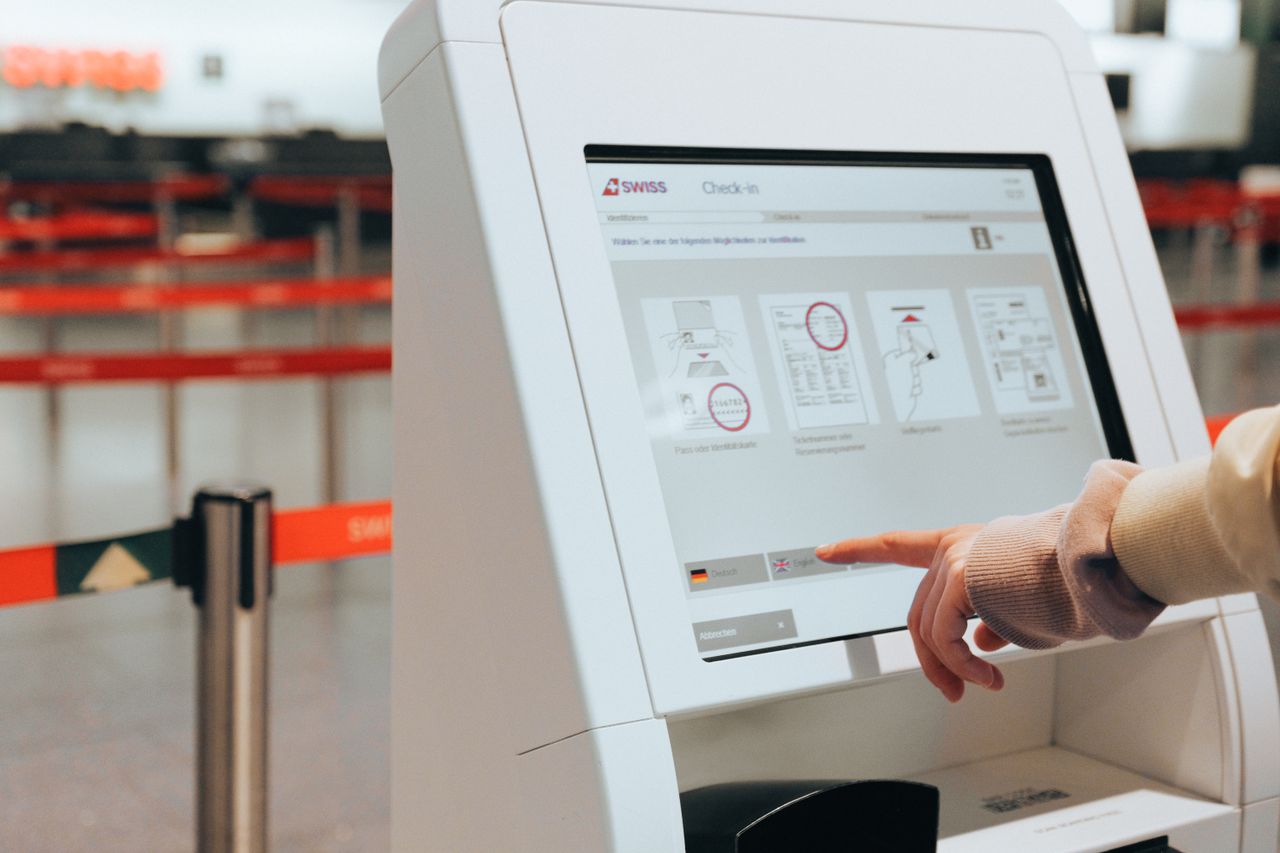
For most flights in 2026, arrive two hours before a domestic departure and three hours before an international one. Add an hour for big hubs, peak waves, checked bags, or if you do not have Trusted Traveler screening. The hard limit is not the airport door, it is your airline's check-in and bag-drop cutoff, which can fall 45 to 90 minutes before takeoff.
The short answer
The long-standing rule that most major airports still publish is simple: 2 hours for domestic, 3 hours for international. It works because it builds in slack for the three things that actually consume your time, which are check-in and bag drop, the security line, and, on international trips, passport control.
But "2 and 3" is a baseline, not a law. Some travelers safely shave it; others get burned by it. The right number for your flight depends on four variables, covered below. When in doubt, round up. The cost of being early is a coffee and a magazine. The cost of being late is a missed flight and a rebooking fee.
What actually eats the time
You are not budgeting time to "be at the airport." You are budgeting time to clear a sequence of gates, each with its own queue:
- Check-in and bag drop. If you checked in online and travel carry-on only, you can skip this entirely. If you have a bag to check, you are bound by the airline's bag-drop cutoff (see the table below) and whatever line is at the counter.
- Security screening. The single most variable step. With expedited screening it can be under 10 minutes; in a standard lane at a busy hub it can run 30 to 45 minutes, and during staffing disruptions it has spiked far higher.
- Passport control / exit checks (international only). Leaving a country can involve emigration or document checks; arriving involves immigration. In 2026 this step has grown at several major hubs (more on the EU below).
- The walk to the gate. Large airports are genuinely large. A far satellite terminal with a train ride can add 15 to 20 minutes before you have even reached the gate.
Boarding closes well before departure. Doors typically shut around 15 minutes before the scheduled time, and most airlines require you to be at the gate by then. "On time" for boarding is not "on time" for departure.
Arrival time by scenario
| Scenario | How early to arrive | Why |
|---|---|---|
| Domestic, carry-on only, off-peak, expedited screening | 60-90 min | No bag drop, fast lane; you mainly need a buffer for the walk to the gate |
| Domestic, checked bag, standard screening | 2 hours | Standard baseline; covers the bag-drop cutoff plus a normal security line |
| Domestic, peak wave (Mon AM, Fri PM, holidays) or large hub | 2.5-3 hours | Security lines balloon during business and holiday peaks |
| International, off-peak, experienced traveler | 2.5-3 hours | Earlier bag-drop and check-in cutoffs, plus exit/document checks |
| International, peak or notoriously busy hub | 3-4 hours | Passport-control queues at big hubs can run well over an hour at peak |
| First flight of a tight connection itinerary | Treat the whole day as the buffer | A delay on leg one cascades; you cannot make up the time |
| Small regional airport, carry-on | 60-75 min | One checkpoint, short walks, light traffic |
Domestic vs international
Domestic is the forgiving case. One checkpoint stands between you and the gate, the check-in cutoffs are later, and there is no passport control. If you are a confident traveler flying carry-on with expedited screening, 60 to 90 minutes is realistic at most airports. Add a checked bag or a standard security lane and you want the full two hours.
International stacks extra steps and earlier deadlines. Check-in and bag-drop close sooner, you may pass an exit or document check on the way out, and the consequences of misjudging are worse because international flights run less frequently. Three hours is the floor, not the ceiling. For more on getting the destination side right, see our destination guides before you fly.
Peak vs off-peak
Time of day matters as much as the route. The brutal windows are the early-morning bank (roughly 5 to 8 AM, when a day's worth of flights push out together), the Friday-evening and Monday-morning business waves, and holiday periods. In these windows, a standard security line that is five minutes at 2 PM can be 40 minutes at 6 AM. Off-peak, mid-week, mid-day, and mid-afternoon, you can lean toward the lower end of every range above.
Bags vs carry-on only
This is the variable most within your control. Carry-on only plus online check-in lets you walk straight to security and removes the entire bag-drop step and its cutoff. Checking a bag binds you to the airline's bag-drop deadline, which is firmer than people expect.
A representative picture of 2026 airline cutoffs (always confirm your specific airline and airport, since these vary by location and route):
| Airline | Domestic check-in / bag drop | International check-in / bag drop |
|---|---|---|
| United | 45 min before departure (raised from 30 in June 2025) | 60 min (more at some hubs, e.g. 75-90 min) |
| Delta | Bags 45 min; without bags 30 min | Arrive 90-120 min before departure |
| American | 45 min (with or without bags) | Bag drop ~60 min (75-90 min at some airports) |
| Southwest / JetBlue / Frontier / Spirit | 30-60 min, varies | 60 min typical, varies by airport |
Two things to note. First, the trend is earlier: United moved its domestic cutoff from 30 to 45 minutes in 2025, and others have tightened too. Second, most airlines will not accept a checked bag more than about six hours before departure, so showing up at dawn for an afternoon flight does not always let you drop bags early.
Security: the wildcard
Security is where plans live or die. Under normal operations, expedited Trusted Traveler screening clears the vast majority of passengers in under 10 minutes. Standard lanes are another story: 28 to 45 minutes at busy hubs is common, and during the staffing and funding disruptions seen in early 2026, some major airports saw standard waits stretch toward hours before normalizing.
The practical takeaways:
- Enroll in expedited screening if you fly more than a couple of times a year. It is the single biggest, most reliable time-saver.
- Check live wait times before you leave. Your national security agency or airport app usually publishes current queue estimates by checkpoint.
- Budget for the standard lane, not the fast one, when you build your buffer. Treat a short line as a bonus, not the plan.
Passport control and the 2026 wrinkle
Arriving and departing internationally means clearing border control, and 2026 added a notable bottleneck in Europe. The EU's Entry/Exit System (EES) began full rollout on 10 April 2026, replacing passport stamps with biometric registration (fingerprints and a facial scan) for non-EU visitors. First-time registration adds roughly 3 to 7 minutes per traveler, and the cumulative effect has produced border queues of two to four hours at the busiest European hubs during peak waves, with Paris Charles de Gaulle among the most affected.
If your itinerary touches a busy international hub, especially in Europe in 2026, treat three hours as the minimum and lean toward four during morning and late-afternoon peaks. Non-citizens routinely wait considerably longer than residents at immigration, so factor your status into the estimate.
How to give yourself slack without arriving at dawn
You cannot control the security line or the border queue, but you can remove variables:
- Check in online and travel carry-on when you can. It deletes a whole step.
- Enroll in expedited screening to make the most volatile step predictable.
- Pre-book your ride to the airport. Getting to the terminal is the variable people forget, and a missed flight often starts with traffic or a no-show car, not the security line. A confirmed pickup time removes that risk entirely; you can arrange an airport transfer in advance so the drive is one less thing to gamble on.
- Build in a turn-it-into-an-asset buffer. If you arrive early, that time is not wasted. A lounge turns dead minutes into a quiet seat, fast wifi, and a meal. Many travelers buy a single-visit pass for exactly this; here is how airport lounge day passes work.
Arriving early is cheap insurance. The traveler who plans for the standard lane, the checked-bag cutoff, and the border queue almost never misses a flight, and almost always has time for a coffee before boarding.
FAQ
Is two hours enough for an international flight? Usually no. Two hours is the domestic baseline. For international travel, plan on three hours, and four at notoriously busy hubs or during morning and late-afternoon peaks, because of earlier check-in cutoffs and passport-control queues.
Can I arrive 60 minutes before a domestic flight? It is possible if you have checked in online, travel carry-on only, use an expedited security lane, and the airport is not busy. But you are leaving almost no margin for a slow line, and many airlines now close check-in 45 minutes before departure, so it is risky as a habit.
What time does airline check-in and bag drop close? It varies by airline and airport, but in 2026 a common pattern is 45 minutes before departure for domestic flights and 60 to 90 minutes for international. United raised its domestic cutoff from 30 to 45 minutes in 2025. Always confirm your specific flight.
Do I still need to arrive early if I only have a carry-on? You can arrive later than a passenger checking bags, because you skip bag drop entirely, but you still face security and (internationally) passport control. Carry-on plus online check-in is the fastest combination, but build a buffer for the security line.
Why is boarding so much earlier than departure? Airlines need time to seat everyone, stow bags, and close the doors on schedule. Doors typically close around 15 minutes before the listed departure time, and most carriers require you to be at the gate by then, so "boarding time" is effectively your real deadline.
How long do airport security and passport control actually take? Expedited screening usually clears most passengers in under 10 minutes; standard security lines commonly run 28 to 45 minutes at busy hubs and longer during disruptions. International passport control varies widely and, with the EU's new biometric Entry/Exit System in 2026, has reached two to four hours at the busiest European airports during peak periods.