

How to
Getting Married in Jamaica: Destination Wedding Guide
How to get married in Jamaica: the 24-hour rule, documents, marriage license, best season, planning timeline, and group transfers for your wedding party.
Published June 10, 2026 · AI-assisted editorial
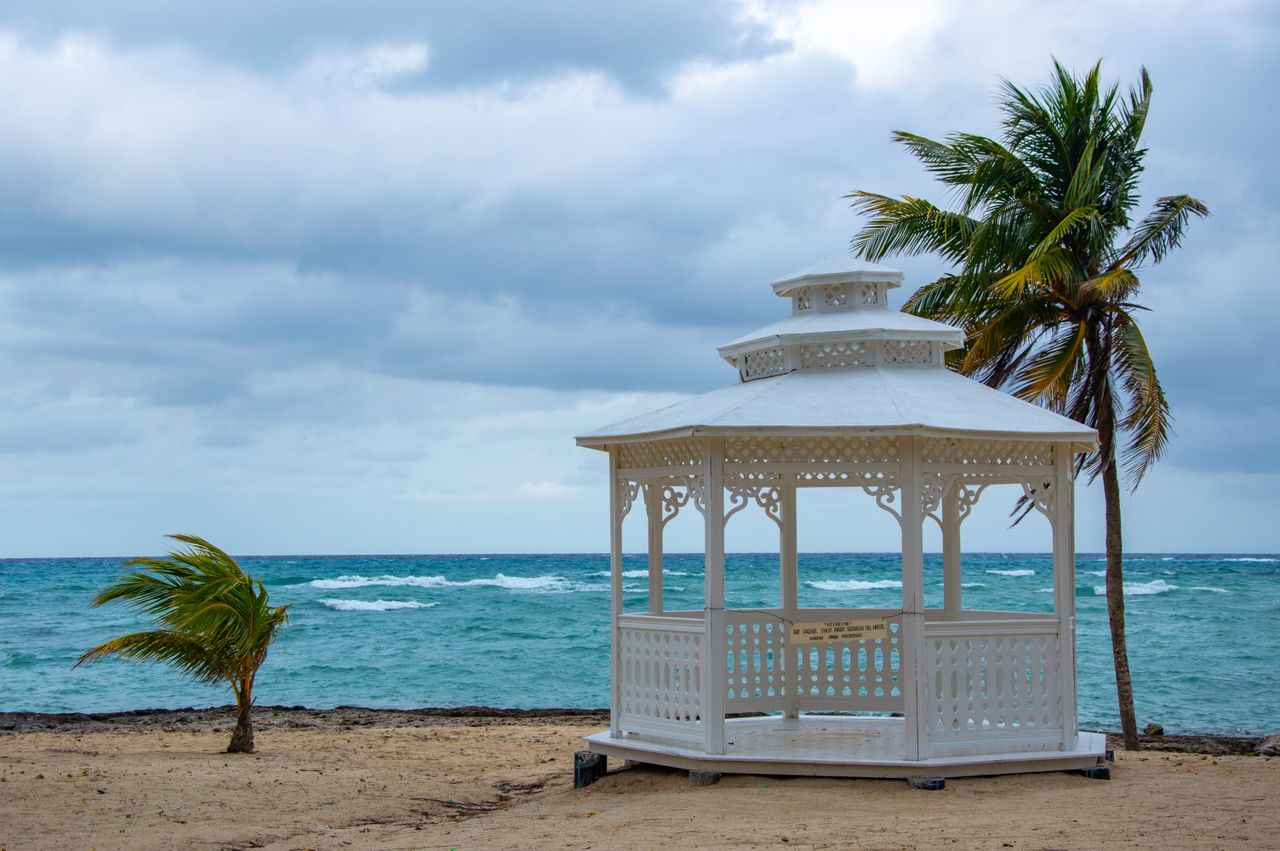
Yes — getting married in Jamaica is refreshingly straightforward for overseas couples. Be on the island at least 24 hours before your ceremony, hand your marriage officer a short stack of documents (passports, birth certificates, and divorce or death certificates where they apply), and your licensed officer files everything locally. No blood test, no long waiting period.
Jamaica has been one of the Caribbean's easiest places to marry for decades, and that reputation is earned. There is no lengthy residency requirement, no medical testing, and the paperwork is light compared with many destinations. What follows is a complete planning walkthrough: the legal rules, the documents you actually need, where and when to marry, a realistic timeline, and how to get your whole wedding party from the airport to the aisle without anyone going missing on day one.
This is a planning overview, not legal advice. Marriage rules can change, and individual situations vary — always confirm the current requirements with the Jamaican Ministry of Justice, your resort's wedding coordinator, or your nearest Jamaican High Commission or consulate before you travel.
The legal requirements (the part that trips couples up)
Jamaican marriage law is governed by the Ministry of Justice, and the headline rule is the one most couples ask about first: the 24-hour prior-presence rule. Both partners must be physically in Jamaica for at least 24 hours before the ceremony can legally take place. There is no extended residency period — a single day on the island clears it. Couples who already live in Jamaica are exempt.
Your wedding must be performed by a licensed Jamaican marriage officer — a government-authorised official who can conduct civil or religious ceremonies and file the paperwork. Resorts and independent wedding planners arrange this as a matter of course; you generally will not be hunting for an officer yourself.
A few more legal facts worth knowing up front:
- Two witnesses are required at the ceremony. Both must be at least 18 and carry valid photo ID. Your venue can usually supply witnesses if you are eloping or marrying without guests.
- No blood test and no medical certificate are required.
- The marriage license is handled through the stamp duty process. The stamp duty fee is J$4,000 (roughly US$30–US$40). Processing is typically same-day to 24 hours, and the license is valid for 90 days (three months) from issue.
- Apply early. Authorities recommend lodging your application at least two weeks ahead of the wedding date so any document hiccup has time to resolve.
- Your official marriage certificate copy usually arrives within about 6–8 weeks after the wedding, though many coordinators can arrange expedited delivery.
Because your coordinator or marriage officer normally submits the license application on your behalf, your job is mostly about arriving with the right documents in hand.
Documents you need to bring
Every document must be in English. If an original is in another language, have it translated by a certified translator and attach the certified translation. The table below covers the standard cases — confirm the exact list for your nationality with your coordinator or consulate, since requirements can differ slightly by country.
| Situation | Document required | Notes |
|---|---|---|
| Everyone | Valid passport (or government photo ID) | Both partners; passport is simplest for overseas couples |
| Everyone | Certified copy of birth certificate | Must show the father's name |
| Previously divorced | Original or certified divorce decree (decree absolute) | One for each previously married partner |
| Widow or widower | Certified copy of the spouse's death certificate | Plus the prior marriage certificate if requested |
| Under 18 | Written parental or guardian consent | Notarised; both parents where applicable |
| Non-English documents | Certified English translation | Attached to the original, by a certified translator |
| The ceremony | Two witnesses with photo ID | Aged 18+; venue can often provide them |
Bring originals or properly certified copies, never plain photocopies. Pack them in your carry-on, not a checked bag — a lost suitcase should never be the reason a wedding is delayed.
Where to marry: resort, villa, or beach
Jamaica gives you three broad styles, and the right one depends on guest count, budget, and how much control you want.
Resort wedding packages are the most popular route, and for good reason. The all-inclusive resort belts around Montego Bay, Negril, and Ocho Rios run polished wedding programs with an on-site coordinator, a licensed marriage officer, and packages that bundle the ceremony, decor, photography, and reception. They handle the license paperwork, the legal filing, and the logistics — ideal if you want a beautiful day with minimal admin. Many properties offer complimentary or low-cost base packages when guests book a minimum number of room nights.
Private villa weddings are the choice for couples who want exclusivity and a bespoke day. The villa strongholds around Montego Bay (the Hopewell–Tryall stretch) and Ocho Rios give you a private estate, your own staff, and total say over the guest list, menu, and timeline. Villas suit larger or multi-day celebrations and welcome-party-to-farewell-brunch weekends — but you (or a planner) take on more of the coordination, including hiring the marriage officer and arranging vendors.
Beach and outdoor ceremonies are the classic Jamaica image: bare feet, Seven Mile Beach in Negril at golden hour, or a cliffside spot on the West End. These can be staged through a resort, a villa, or a standalone planner. Public-beach ceremonies may need a permit, so let your coordinator confirm the location is cleared for a private event.
Each region has a flavour. Negril is laid-back, sunset-famous, and barefoot-romantic. Montego Bay is the most accessible — it surrounds the country's busiest airport and packs the widest choice of large resorts and villas. Ocho Rios pairs lush north-coast scenery with waterfalls and gardens for couples who want their photos somewhere greener than a beach.
The best season to get married in Jamaica
Jamaica's dry season, December through April, is the prime wedding window. Rainfall is minimal, humidity drops, and temperatures sit in a comfortable 77–86°F — reliable conditions for an outdoor ceremony and a starlit reception. March is statistically the driest month of the year, with roughly an inch of rain across about five rainy days. This is also peak season, so book venues and room blocks well ahead and expect higher rates.
If you want strong weather with smaller crowds and friendlier pricing, look at November or May into early June. November eases back into the dry season and delivers some of the island's most dramatic sunsets — a gift for golden-hour photography.
The trade-off period is the Atlantic hurricane season, June through November, with peak activity in August, September, and October. Late summer and early autumn carry the highest storm risk, so many couples avoid them or build travel insurance and a flexible date into the plan. For most, the sweet spot is the December–April dry stretch, or the shoulder edges of November and late spring for better value.
A realistic planning timeline
- 12+ months out: Lock the date and region. Book the resort or villa and reserve your room block early for peak (December–April) dates.
- 9–12 months out: Confirm your coordinator or marriage officer, send save-the-dates, and start your guests on flights — group bookings to Sangster International (MBJ) in Montego Bay or Norman Manley (KIN) in Kingston are easiest to coordinate early.
- 6 months out: Finalise vendors (photography, flowers, music), the menu, and the guest list. Begin gathering and certifying your legal documents.
- 2–3 months out: Verify every document is certified and, where needed, translated into English. Confirm witnesses.
- 1 month out: Reconfirm the ceremony details with your coordinator. Arrange group airport transfers so arriving guests move straight to the venue together.
- On arrival (24+ hours before): Land, settle the 24-hour prior-presence rule, and hand your documents to your marriage officer or coordinator for the license filing.
- After the wedding: Your certified marriage certificate copy typically follows within 6–8 weeks.
Guest logistics: getting the wedding party there together
A destination wedding lives or dies on arrivals. Your party touches down as clusters — the bridal group, both families, the friends who all booked the same flight — and the worst possible start is twenty guests scattered across the Sangster International (MBJ) arrivals hall hunting for separate rides while the welcome dinner clock ticks.
Pre-booked group transfers and coaches solve this. Instead of guests improvising taxis, a coordinated fleet meets each flight, gathers the party, and runs everyone to the resort or villa as one. For larger weddings, a coach moves the whole group together; for couples and VIPs, a private vehicle with a meet and greet at arrivals sets the tone before the celebration even begins. Sangster (MBJ) is the natural hub for Negril, Montego Bay, and most Ocho Rios venues; Norman Manley (KIN) serves Kingston and the southeast.
A little coordination here pays off all weekend: the same transfer plan handles the rehearsal dinner, ferries guests between the ceremony and reception, and gets everyone to the airport on departure day. Start with a transfer search to size the right vehicles for your group, and consider a polished VIP arrival for the couple and immediate family.
Two companion reads worth bookmarking while you plan: our Jamaica honeymoon guide for where to disappear after the "I do," and our best time to visit Jamaica breakdown to fine-tune your date around weather and crowds.
Frequently asked questions
How long do you have to be in Jamaica before you can get married? Both partners must be physically present in Jamaica for at least 24 hours before the ceremony. There is no longer residency requirement for overseas couples — a single day on the island satisfies the rule. Residents of Jamaica are exempt.
What documents do I need to get married in Jamaica? At minimum: valid passports or government photo ID and certified copies of your birth certificates (showing the father's name). Previously divorced partners need their divorce decree; widows and widowers need the spouse's death certificate; anyone under 18 needs notarised parental consent. Non-English documents need certified English translations.
How much does a marriage license cost in Jamaica? The stamp duty fee for the marriage license is J$4,000 — roughly US$30 to US$40. Processing is usually same-day to 24 hours, and the license is valid for 90 days. Resort and villa coordinators normally handle the application for you.
Do I need a blood test or witnesses to get married in Jamaica? No blood test is required. You do need two witnesses aged 18 or older with valid photo ID; if you are eloping, your venue can usually provide them.
When is the best time of year to get married in Jamaica? The dry season from December to April offers the most reliable weather, with March the driest month. November and May into early June give strong conditions with smaller crowds and better pricing. Be cautious around peak hurricane activity in August, September, and October.
Is a wedding in Jamaica legally recognised in my home country? A marriage legally performed by a licensed Jamaican marriage officer is generally recognised internationally, but recognition rules vary by country. Confirm what your home country requires — sometimes an apostille on the marriage certificate — with your local authorities before you travel.