

How to
First International Flight: Step-by-Step Guide 2026
Flying abroad for the first time? A clear walk-through of documents, check-in, security, passport control, connections, and arrival, in order.
Published June 12, 2026 · AI-assisted editorial
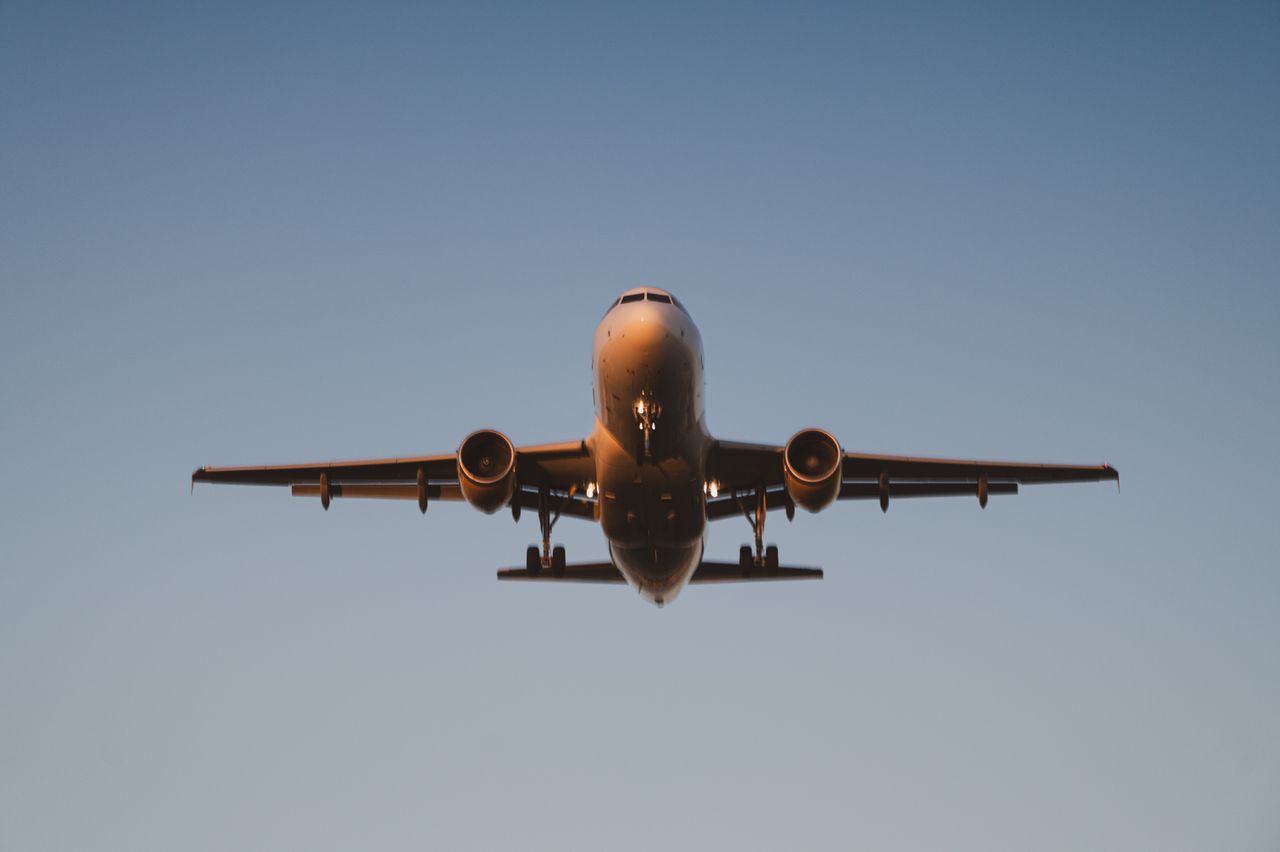
Flying internationally for the first time means a few extra steps over a domestic hop: a passport with enough validity, an earlier airport arrival, passport control on both ends, and customs when you land. This guide walks the whole journey in order so you arrive calm, board on time, and clear arrivals without surprises.
Before you go further, sort the one thing most first-timers leave to the last minute: your arrival. Pre-book your airport transfer before you fly, so stepping off the plane in a new country is a name on a sign, not a 1am negotiation at the curb.
Step 1 — Documents and your passport
Your passport is the trip. Check it early, because renewals take weeks.
- Validity. Many countries enforce a "six-month rule": your passport must stay valid for at least six months beyond your arrival or departure date. Some apply a three-month rule instead, and airlines often refuse boarding if you fall short. Check your destination's official entry page.
- Blank pages. Some destinations require two to four blank stamp or visa pages. Namibia asks for three; China, India, Laos, and South Africa commonly want two.
- Visa or travel authorization. You may need a visa in advance, or an electronic authorization (such as an ETA-style permit) before you travel. Confirm this weeks ahead, not at the airport.
- Supporting documents. Carry proof of onward travel and accommodation; some borders ask. Our trip prep checklist covers what to have ready.
Step 2 — Booking sanity checks
A five-minute review of your booking now prevents the worst day-of problems.
- Name match. The name on your ticket must match your passport exactly. A nickname or a missing middle name can stop you at check-in — fix mismatches with the airline as early as possible.
- Connection time. If your trip has a layover, make sure it is long enough (see Step 7). Tight self-built connections are where first-timers get stranded.
- Baggage allowance. Confirm how many bags, what weight, and what cabin-bag size your fare includes. Budget fares often include almost nothing.
- Entry requirements. Re-check visa, vaccination, and any arrival-form rules for your specific destination.
Step 3 — Check-in
You can usually check in online 24–48 hours before departure. Doing so locks your seat and can speed up the airport. Even with a mobile boarding pass, international travelers often still visit a counter so staff can verify passport and visa documents.
At the airport, find your airline's check-in or bag-drop desk, show your passport, drop checked luggage, and collect printed boarding passes for every leg if you prefer paper as a backup.
Bag-drop cutoffs are real. Airlines commonly close international bag drop 60–90 minutes before departure (American Airlines uses 90 minutes for international). Miss the cutoff and you miss the flight, even if boarding has not started.
Step 4 — Baggage rules
| Item | Carry-on | Checked bag |
|---|---|---|
| Liquids, gels, aerosols | Containers of 100ml (3.4oz) or less, in one quart-size clear zip-top bag | Full-size allowed |
| Power banks / spare lithium batteries | Required in carry-on | Not permitted |
| Valuables, medication, documents | Keep with you | Never check |
| Sharp objects, large tools | Not allowed | Checked only |
The 3-1-1 liquids rule (100ml containers, one quart bag, one bag per passenger) still applies at U.S. checkpoints in 2026. A few UK airports with newer scanners have raised limits, but most airports worldwide — Singapore, Tokyo, Dubai, Hong Kong — keep the 100ml standard. When unsure, pack full-size liquids in checked luggage.
Step 5 — Security screening
Allow plenty of time; international terminals get busy. To move through smoothly:
- Have your boarding pass and passport in hand.
- Pull your liquids bag and large electronics out for separate screening unless signage says otherwise.
- Empty pockets, remove belt and jacket, and follow officer instructions.
- Re-pack calmly past the checkpoint rather than holding up the line.
Once airside, find your gate first, confirm the boarding time on the screens, then relax. If you have a long wait, see our airport lounge access guide — a day pass can turn dead time into a quiet meal and a shower.
Step 6 — Passport control and immigration (departure)
Many countries run exit passport control before you board an international flight. Join the line for visitors or foreign nationals, hand over your passport (and boarding pass if asked), answer brief questions, and collect your exit stamp. Then proceed to your gate and board when called.
Step 7 — Connections
If you change planes, the rules depend on where:
- Bags checked through. On most connections your checked bags transfer automatically to the final flight — confirm this at original check-in.
- The big exception. If you clear customs at your connecting point (entering the United States or China, for example), you collect your bags, clear customs, then re-drop them before the next leg. Build in time for it.
- Minimum connection time. For international connections, aim for at least 2 to 3 hours. Processing can take an hour or more at peak times, and a missed connection on a separate ticket is your problem, not the airline's.
- Follow the signs. Look for "Transfers" or "Connecting flights" and re-clear security if directed.
Step 8 — Arrival: passport control, customs, ground transport
You have landed. Three things stand between you and your destination.
- Passport control (immigration). Follow "Arrivals" to immigration. Pick the correct line — usually a "visitors" or "all passports" lane. An officer reviews your passport, may ask where you are staying and for how long, and stamps you in. Have your address and onward plans ready.
- Baggage claim. Collect checked bags from the carousel for your flight. If a bag is missing, report it at the airline desk before leaving the hall.
- Customs. Walk through customs. If you have nothing to declare, follow the green channel or "Nothing to Declare" lane; if you carry items over duty limits, large cash sums, food, or restricted goods, use the red channel and declare. Some countries now use a mobile app instead of a paper form.
Then it is ground transport. This is the moment a pre-arranged ride pays off: after a long flight in an unfamiliar place, a driver waiting with your name beats hunting for a taxi rank. Set up your arrival transfer before you leave home, and browse your destination guide so you know what is worth seeing once you have dropped your bags.
Pre-flight checklist
- Passport valid past the six-month threshold, with enough blank pages
- Visa or travel authorization secured and printed
- Ticket name matches passport exactly
- Online check-in done; boarding passes saved and screenshotted
- Liquids in a 100ml quart bag; power banks in carry-on
- Bank told you are traveling; a backup payment card packed
- Offline maps, booking confirmations, and your arrival transfer saved
- Arrival time at airport: 3 hours before an international departure
FAQ
How early should I arrive for an international flight? Plan for about three hours before departure. International travel adds document checks, longer security lines, and sometimes exit passport control, and bag drop can close 60–90 minutes before the flight.
Does my passport really need six months of validity? Often, yes. Many countries require at least six months of validity beyond your travel dates, and airlines may deny boarding if you fall short. A few apply a three-month rule. Always check your destination's official requirement.
What are the carry-on liquid rules? The 3-1-1 rule: liquids, gels, and aerosols in containers of 100ml (3.4oz) or less, together in one quart-size clear zip-top bag, one bag per passenger. Pack larger liquids in checked baggage.
Do I collect my checked bags during a connection? Usually no — bags transfer automatically to your final flight. The exception is when you clear customs at the connecting airport (such as entering the United States), where you collect, clear, and re-check your bags.
What happens at passport control when I land? You join the immigration line, hand an officer your passport, answer a few questions about your stay, and receive an entry stamp or electronic record. Then you collect bags and pass through customs.
What is the difference between immigration and customs? Immigration checks you and your right to enter the country. Customs checks the goods you are bringing in. You pass immigration first, collect your luggage, then go through customs.