

How to
Do You Recheck Bags on a Connecting Flight?
Whether you collect and recheck your luggage on a connecting flight depends on your ticket, your airlines, and customs. Here is the rule that decides it, plus how to check before you fly.
Published June 18, 2026 · AI-assisted editorial
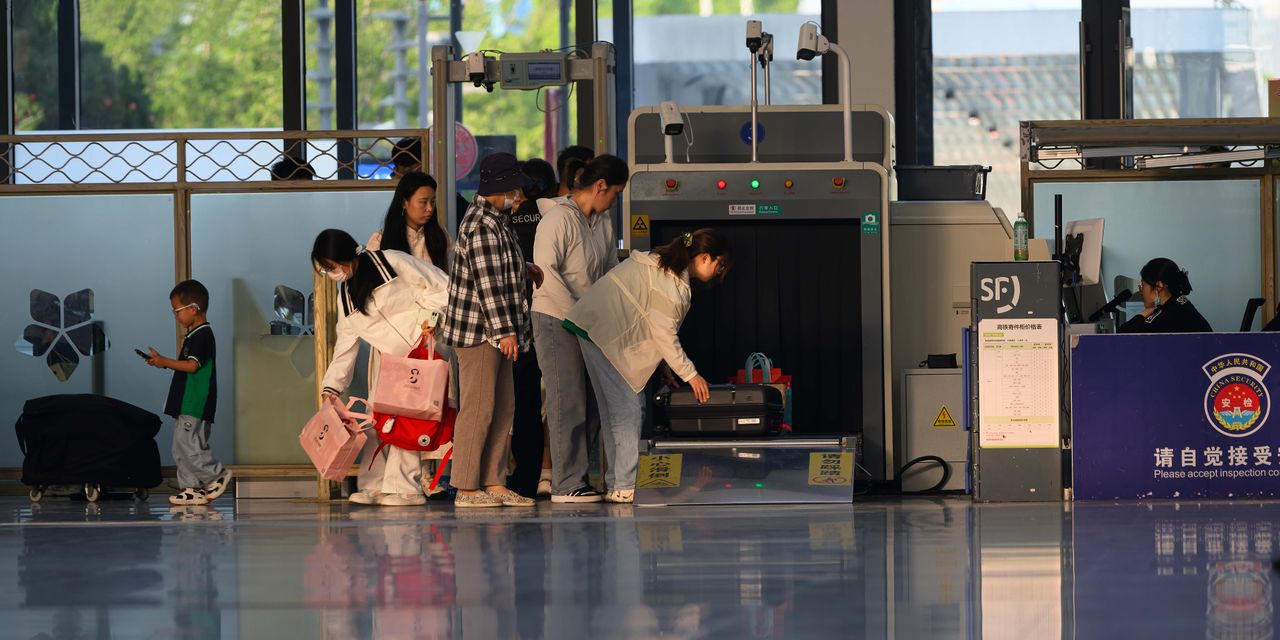
Booked on a single ticket between two airlines that share a baggage agreement, your checked bags are tagged straight through to your final destination and you do nothing at the connection. You only collect and recheck them when you fly on separate tickets, use a low-cost carrier with no transfer deal, or clear customs on arrival.
That single distinction decides almost every case. The rest of this guide shows you how to tell which situation you are in before you ever leave home, how much connection time to leave when a recheck is likely, and the one international arrival rule that catches travellers out every day.
The one rule that decides everything
Two things have to both be true for your bags to transfer automatically:
- One ticket (a single booking reference / PNR) covering every segment of the journey, and
- An interline or codeshare agreement between the airlines operating those segments.
An interline agreement is a formal partnership that lets airlines hand baggage off to one another and check it through on your behalf. When both conditions hold, the check-in agent at your origin prints a bag tag showing your final destination airport code, and the bags ride the conveyor belts between flights without you. When either condition fails, the responsibility falls back on you.
When your bags transfer automatically
This is the smooth case most travellers picture. You check in once at your departure airport, the agent tags your suitcase to the final city, and you walk off the first flight with only your carry-on to worry about. Your only job at the connection is to get yourself to the next gate on time.
How to confirm it: look at the destination printed on the baggage claim tag stapled to your boarding pass, not the city on your first flight. If it shows your final airport, the bags are checked through. If you are not sure, ask the check-in agent directly: "Are my bags checked all the way through to my final destination?"
When you must collect and recheck
There are three common situations where you are the one moving the bag.
Separate tickets (self-transfer)
If you booked your two flights as independent reservations — two different confirmation numbers — they are treated as two unrelated trips, even if the layover is in the same terminal. In almost every case you must walk to baggage claim, collect your suitcase, and check in again for the second flight. Build in generous time: you are effectively starting a fresh airport check-in, sometimes in a different terminal.
Some carriers offer a "through-check on separate tickets" courtesy when both flights are on the same airline or close partners, but it is never guaranteed. Treat self-transfer as collect-and-recheck unless an agent tells you otherwise in person.
Low-cost carriers without interline agreements
Most budget airlines — Ryanair, Spirit, easyJet, IndiGo and similar — do not interline. That means even two flights on the same low-cost carrier may not check your bag through, and a connection between a budget airline and a different carrier almost never will. Without an interline agreement the airlines have no mechanism to pass the bag between them, so you collect and recheck every time. This is the classic trap of cheap "self-connect" itineraries: the fares look great until you account for clearing and re-dropping your luggage on a tight layover.
Clearing customs on an international arrival
When you enter a country and continue on a domestic flight, immigration and customs rules usually force you to collect your checked bags at the first point of entry, clear customs with them, and recheck them for the onward leg. This applies even on a single ticket, because the bag legally has to be presented to customs.
Quick comparison: will my bags transfer?
| Your situation | Bags checked through? | What you do at the connection |
|---|---|---|
| One ticket, airlines interline | Yes | Walk to your next gate |
| One ticket, codeshare partners | Usually yes | Confirm the tag shows your final city |
| Separate tickets you booked yourself | No (usually) | Collect, then recheck and re-drop |
| Low-cost carrier, no interline | No | Collect, then recheck and re-drop |
| International arrival, then onward flight | No | Collect, clear customs, recheck |
The United States customs recheck nobody warns you about
If your journey arrives into the United States from abroad and continues on another flight, you must collect your checked bags at your first US airport, clear US Customs and Border Protection (CBP), and recheck the bags before your onward flight — regardless of whether you are on one ticket or two. After you clear customs there is usually a dedicated re-drop belt right past the inspection hall, so you are not checking in from scratch, but you do have to physically handle the bag.
The single exception is CBP Preclearance. At a handful of airports you clear US immigration and customs before you board, at your departure airport, so you arrive in the US as a domestic passenger and your bags transfer normally. Preclearance operates at roughly 15 locations across Ireland, Aruba, Bermuda, the United Arab Emirates, the Bahamas and Canada. If you fly through one of those, the recheck step disappears.
How much connection time to leave if a recheck is likely
A through-checked bag needs only enough time for you to change gates. A recheck is a different story: you are queuing for baggage claim, waiting for the carousel, possibly clearing customs, walking to departures, and re-dropping. Treat a recheck connection like a fresh airport arrival and departure stacked together.
As a rough planning rule, give yourself well beyond the airline's published minimum connection time whenever you have to handle your own bag, and more again if customs is involved. If your layover turns out longer than expected, our guide to a long layover and how to make the most of it covers lounges, leaving the airport, and resting between flights. For the wider checklist of documents, money and timing before you travel, see how to prepare for your trip.
How to check before you fly
You can settle the question days before departure:
- Read your itinerary. One confirmation number across all flights points to a single ticket; two numbers mean separate tickets and a likely recheck.
- Check the operating airlines. Two legacy carriers in an alliance almost always interline. A budget airline anywhere in the chain is a red flag.
- Ask at check-in. The agent who tags your bag knows for certain. Confirm the destination city on the tag.
- Factor in customs. Any international-to-onward connection probably means a collect-and-recheck.
After you land: getting from the airport
Once you are through arrivals with your bags, the last leg is the ride to your hotel or villa. Pre-booking ground transport means a driver is waiting rather than a queue at the rank — you can arrange a vehicle for any destination through our transfer search, and for a smoother arrival a meet and greet at the terminal puts a driver at the gate to help with bags and the route out. Planning the handoff in advance is the simplest way to keep a long travel day from unravelling at the very end.
FAQs
Do I always have to pick up my bags on a connecting flight? No. On a single ticket between airlines that interline, your bags are checked through to your final destination automatically. You only collect them on separate tickets, on low-cost carriers without interline deals, or when clearing customs on arrival.
Do I recheck bags if both flights are on the same airline? Usually not, if it is one booking and the airline operates both legs — bags are tagged through. The exception is some low-cost carriers, which may not transfer bags even within their own network.
Do I have to recheck my bags when connecting in the United States from abroad? Yes. US Customs and Border Protection requires you to collect your checked bags at your first US airport, clear customs, and recheck them for the onward flight, even on a single ticket. The only exception is flying from a CBP Preclearance airport.
What is an interline agreement? It is a partnership that lets airlines transfer your baggage between each other and check it through to your final destination. Most full-service airlines interline; most budget airlines do not.
Will my bags transfer if I booked two separate tickets? Generally no. Separate tickets are treated as two unrelated trips, so you collect your bags after the first flight and check in again for the second, even with a short layover.
How much extra time should I leave if I have to recheck? Treat it like a fresh arrival and departure combined. Leave well beyond the published minimum connection time, and add more if customs is involved, so a missed bag drop does not cost you the next flight.