
How to
Carry-On Liquid Rules 2026: 100ml, TSA & UK Airports
Carry-on liquid rules in 2026: where the 100ml limit still applies, which UK airports now allow 2 litres, and how to pack to clear any checkpoint.
Published June 20, 2026 · AI-assisted editorial
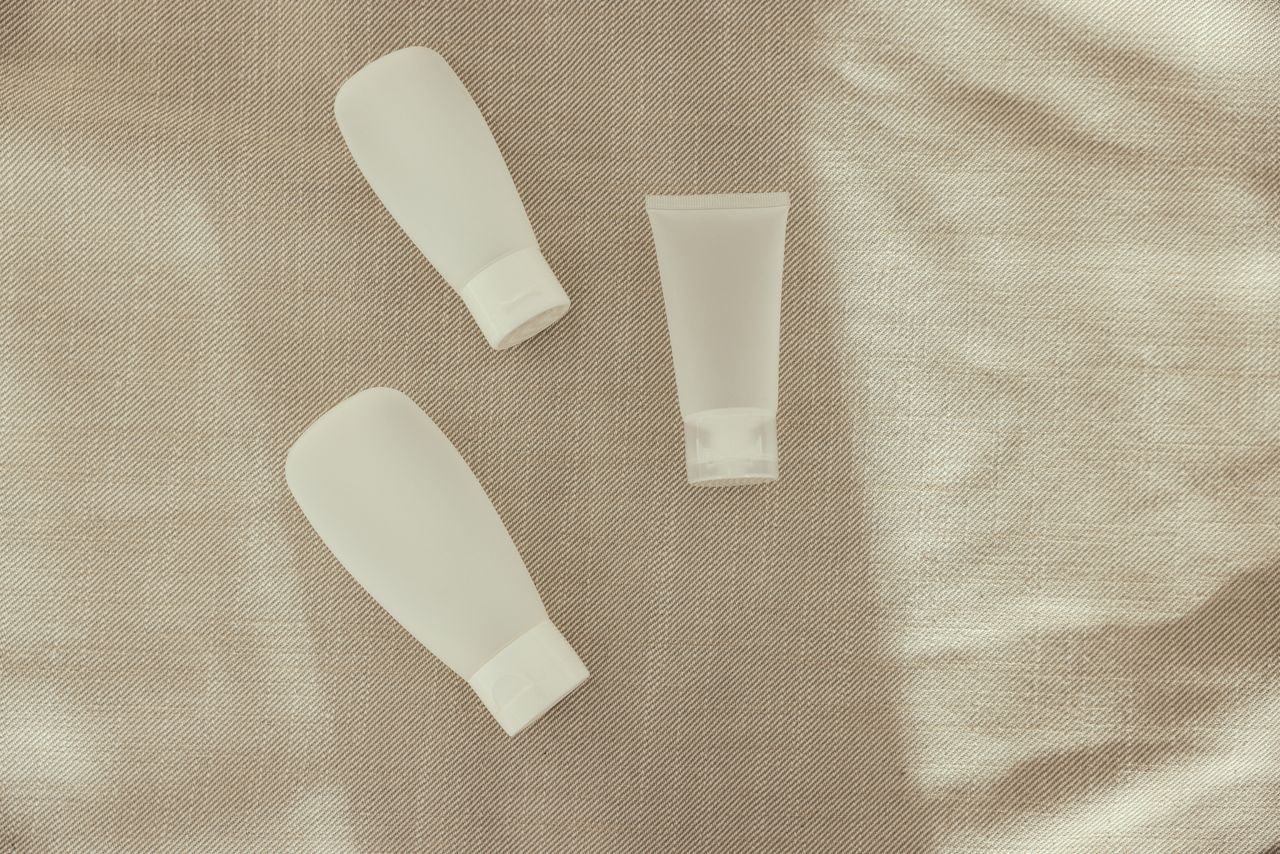
In 2026 the carry-on liquid rule still caps most containers at 100ml (3.4 oz) packed in one clear bag — but it is no longer universal. Several UK airports now allow up to 2 litres thanks to new 3D scanners, while the United States, the EU, and most of the world hold the line. Here is exactly where each stands, and how to pack so you clear any checkpoint.
The baseline rule: 100ml in one clear bag
For nearly two decades the global standard has been the same: liquids, gels, aerosols, creams, and pastes in your hand luggage must travel in containers of 100ml (3.4 oz) or less, all fitting inside a single transparent, resealable bag of about one litre, with one bag per passenger. It is the container size that counts, not how full it is — a half-empty 200ml bottle is still not allowed.
"Liquid" is broader than most travelers expect. It includes toothpaste, sunscreen, gel or roll-on deodorant, yogurt, soft cheese, peanut butter, mascara, and the water you forgot to drink before the line. When in doubt, assume security will treat it as a liquid.
What is changing in 2026 is not the rule itself so much as where it still applies.
United States: TSA 3-1-1 is unchanged
In the US the rule is known as 3-1-1: 3.4 ounces per container, 1 quart-sized clear bag, 1 bag per passenger. As of 2026 it has not changed.
What has changed is the hardware. The TSA has been installing computed-tomography (CT) scanners that produce a 3D image of your bag, and by early 2026 most checkpoints at major hubs — Atlanta, Los Angeles, New York JFK, Chicago O'Hare, and Dallas-Fort Worth among them — have them. At a CT-equipped lane you often do not need to pull your liquids bag or laptop out of your carry-on, and the line moves faster. But the 3.4 oz / quart-bag limit on what you can bring is identical to before.
A handful of items are exempt from the bag in reasonable quantities, subject to separate screening: baby formula and breast milk, and liquid medications. Declare them to the officer rather than burying them in your bag.
United Kingdom: a split system in 2026
The UK is the big exception this year, and it is genuinely inconsistent — which airport you fly from decides your rule.
Airports that have passed the Department for Transport's certification of their new CT scanners now let passengers carry containers up to 2 litres with no need for a separate plastic bag. Heathrow finally lifted its 100ml limit at the end of January 2026 after the largest scanner upgrade in the country. As of mid-2026 the 2-litre allowance is also live at Gatwick, Birmingham, Edinburgh, Bristol, and both Belfast airports.
Other UK airports still enforce the old 100ml limit despite having scanners — among them Manchester, Stansted, Luton, Glasgow, Liverpool, and East Midlands. At several of these you no longer have to pull liquids out of your bag or use a plastic pouch, but the 100ml container cap still applies. The rollout has not finished, and certification can land at any time, so check your specific airport's official page in the days before you fly.
Three cautions regardless of airport: the relaxed limit applies to your departure airport only, so a return flight from another country — or even a UK transfer airport on the old rule — may still be 100ml; metal or insulated vacuum flasks usually must be emptied, because the scanners cannot read through the double wall; and a 2-litre allowance is not a free-for-all, since oversized or unusual items can still be pulled for a manual check.
The EU and the rest of the world
Across the European Union, the standard remains 100ml in a one-litre transparent bag at most airports. A few EU airports with certified CT scanners have eased the limit, but coverage is patchy and the EU has tightened rules again in the past, so do not assume. Most of the rest of the world — Asia, the Americas outside the US system, Africa, and Oceania — applies the same 100ml standard.
The safe planning rule for any international trip: pack to 100ml. A bag that passes the strictest checkpoint passes every checkpoint, and you avoid surrendering an expensive bottle of sunscreen at the worst possible moment.
| Region | Container limit (2026) | Separate clear bag? |
|---|---|---|
| United States (TSA) | 100ml / 3.4 oz | Yes, one quart bag |
| UK — certified-scanner airports | Up to 2 litres | No |
| UK — other airports | 100ml | Often no, but cap applies |
| European Union (most airports) | 100ml | Yes |
| Rest of world (general) | 100ml | Yes |
Duty-free liquids and the connecting-flight trap
Liquids you buy after security — a bottle of rum, perfume, a large water — are exempt from the 100ml limit at the point of purchase. The catch is the connection. If your trip involves a layover where you change planes and pass through security again, that duty-free bottle must be sealed inside a STEB (Security Tamper-Evident Bag) with the receipt visible inside, and the receipt must be recent. Without an intact STEB and receipt, screening at the transfer airport can confiscate it.
Two practical consequences: buy duty-free liquids on the last leg of your outbound journey where possible, and if you have a connection, do not open the sealed bag until you reach your final destination. When in doubt, pack the bottle in your checked bag for the onward flight instead.
What about powders?
Powders are not part of the liquid rule, but they have their own screening. For flights bound for the United States, powder-like substances over roughly 350ml or 12 oz (think protein powder, loose makeup, ground coffee, bath salts) may be pulled for additional inspection and, if they cannot be cleared, refused at the checkpoint. Keep large quantities of powder in checked luggage to avoid the delay.
What happens if you go over the limit
If an item exceeds the limit and is not exempt, you have a short, unhappy set of options at the checkpoint: surrender it, return to the landside area to put it in checked luggage (only if you have time and a bag to check), or in a few airports use a mail-home kiosk. There is no on-the-spot appeal, and the line behind you does not wait. This is the real cost of guessing wrong — a favourite fragrance or a full tube of prescription cream in the bin — and the reason packing to 100ml is worth the small effort.
How to pack so security is fast
A few habits keep you out of the secondary-screening line:
- Decant toiletries into 100ml travel bottles, even if your home airport allows more — your destination and any transfer airport may not.
- Freeze what you can: a fully frozen gel pack or solid-frozen water bottle is treated as a solid at many checkpoints, though policies vary, so do not rely on it as your only water.
- Switch to solid formats where they exist — bar shampoo, solid deodorant, toothpaste tablets, and powder sunscreen sidestep the rule entirely.
- Keep the clear bag at the top of your carry-on so it is easy to pull out if asked.
- Buy liquids over 100ml after security, in the departures shops, and keep the sealed STEB and receipt if you have an onward connection.
- Empty your water bottle before the checkpoint and refill it at a fountain past security.
- Treat medications and baby supplies as exempt, but declare them.
Where this leaves you on arrival
Security is the front end of a long travel day; the back end is getting from the terminal to where you are staying. The two are worth planning together — clearing a fast checkpoint only to face a chaotic taxi rank is a poor trade.
Decide your ground transport before you fly: a pre-booked private transfer with a meet and greet means a named driver is waiting when you land, no haggling after a red-eye. If you want the smoothest possible landing, our VIP arrival service handles the airport-to-door leg end to end. And the pre-trip checklist covers the rest — documents, timing, and how early to be at the airport — so nothing about the liquids bag is the thing that slows you down.
Frequently asked questions
Is the 100ml liquid rule still in force in 2026? Yes, at most airports worldwide, including the US under TSA 3-1-1 and most of the EU. Some UK airports with new CT scanners now allow up to 2 litres, but 100ml remains the safe default.
Which UK airports allow more than 100ml of liquid? As of mid-2026, certified-scanner airports including Heathrow, Gatwick, Birmingham, Edinburgh, Bristol, and both Belfast airports allow up to 2 litres. Manchester, Stansted, Luton, Glasgow, Liverpool, and East Midlands still enforce 100ml.
Has the TSA 3-1-1 rule changed? No. The US limit is still 3.4 ounces per container, one quart-sized clear bag, one per passenger. CT scanners speed up screening but do not change the limit.
Do I still need a clear plastic bag for liquids? At most airports yes. At UK and some EU airports with certified CT scanners you do not, but carry one anyway so you are covered everywhere.
Can I bring medication or baby formula over 100ml? Yes. Liquid medications, baby formula, and breast milk are exempt in reasonable quantities; declare them at the checkpoint for separate screening.
Can I take duty-free liquids through a connecting flight? Yes, if they stay sealed in the Security Tamper-Evident Bag (STEB) with the receipt visible, and the receipt is recent. If the bag is opened or missing, the transfer airport can confiscate the item, so buy duty-free on your final leg where possible.
Are powders restricted in carry-on? On US-bound flights, powders over about 350ml or 12 oz may be pulled for extra screening and refused if they cannot be cleared. Large quantities of powder are safest in checked luggage.
What counts as a liquid at airport security? Anything pourable or spreadable: toothpaste, sunscreen, gel deodorant, yogurt, soft cheese, mascara, and drinks. When unsure, treat it as a liquid and keep it under 100ml.